


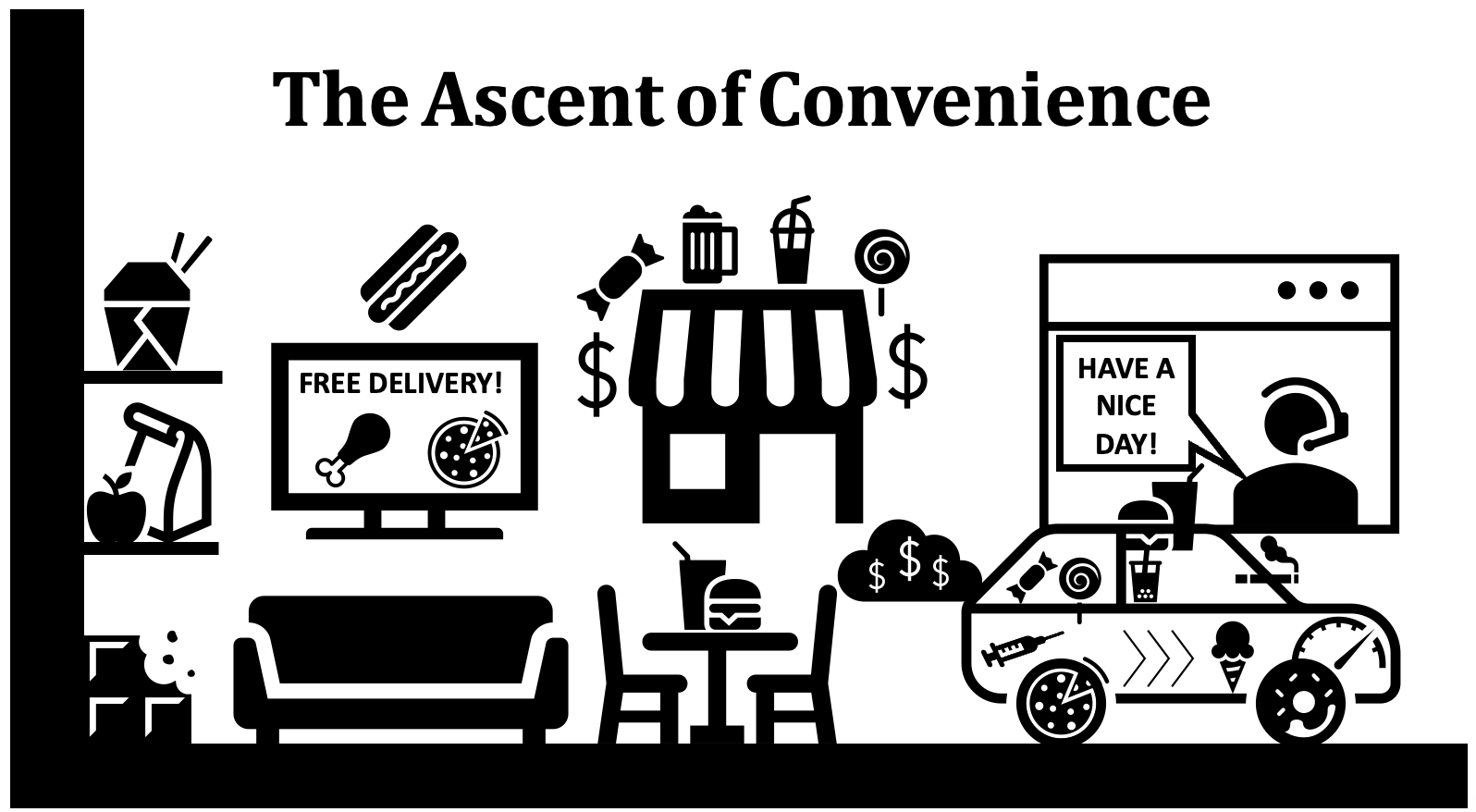
Traditional human cultures valued Foods for their life-giving properties.
Food was acquired through Time and effort rather than Money, and it was either eaten or preserved rather than sold.
Nature may have occasionally offered some convenience, but this could not always be counted on. As knowledge developed locally, our early ancestors became more efficient and creative at securing their required nutrients.
Some Traditional Foods were deemed so vital to life that they warranted the large outlays of Time and effort required for their preparation.
For example, indigenous groups inhabiting the Canadian and Alaskan Pacific coasts put much effort into extracting oil from a tiny fish known as “ooligan.” The laborious multi-week boiling process was the “price” for this prized, vitamin-rich substance.
In the Peruvian Andes, great distances were travelled to retrieve dried fish eggs and sea kelp from the shoreline — an arduous task that village elders deemed mandatory on account of the beneficial fertility properties contained within these special items.
Some of the most important Traditional Foods for earlier human cultures were highly inconvenient to acquire or produce. But their vitality made them mandatory.
Our modern Food system has gone in the opposite direction.
After World War II, a confluence of factors led many large corporations to create and market new products based on convenience.
Wartime innovations that had fed soldiers on the battlefield were repurposed to feed a civilian market, enabling a massive new wave of Trade Food supply.
Whether for patriotic, economic, or more personal reasons, the war also pushed many American women into the labor market for the first time. With less Time for Food preparation, this cultural shift created a strong demand for quick, ready-to-eat meals.
Finally, as mass production made refrigerators and freezers affordable for most American households, the infrastructure of convenience was firmly established.
When initially applied to the then-existing Food supply, the use of modern kitchen appliances was highly beneficial to human health. Food would stay safer to eat for longer — but these gains were soon by offset by less frequent trips to the market.
More than ever before, the purpose of Food innovation was to save Time.
Leaving the house less often was only the beginning.
As large, Trade Food-producing corporations began to understand that American families were willing to spend Money to save Time on preparation, they began to engineer new Trade Food products that were optimized for this purpose.
By leveraging wartime advances in chemistry and manufacturing to exploit the new infrastructure of convenience, these corporations entered the market for Time.
From ready-to-eat “TV dinners” to concentrated frozen orange juice and instant cake mixes, many new complex products were created and marketed to American families. Chemicals were used not only for preservation, but also to create artificial textures and flavors — without the Time and effort that had traditionally been required.
For example, the “Cheetos” brand was born out of surplus military cheese powder.
The Second Agricultural Revolution had brought Food into much closer relation with Money — but these Foods remained natural and biological.
By contrast, the Second World War turbocharged the relationship between Food and Money because wartime innovations could now be used to produce and preserve artificial textures and flavors. This was extremely valuable to shareholders.
Technologies of military necessity were repurposed to serve business profitability.
From a corporate perspective, nature and tradition were too slow and expensive. Chemistry and mass production were cheaper, faster, and much easier to control.
For an affluent American society schooled in Ben Franklin’s “Time is Money” axiom, spending Money to save Time on Food preparation seemed like a no-brainer.
But this was a different age.
The health risks of chemically engineered, convenience-oriented Foods were still poorly understood — they were initially consumed and proudly served by the wealthy as a mark of distinction.
The on-demand experience of powerful new tastes and textures — without the Time and effort traditionally required — was the logical, inevitable advance of modern civilization.
Or was it?
Some members of the isolated cultures encountered by Dr. Price had not adopted Trade Food out of strict economic necessity, but for the prestige it represented.
Powerful social and cultural forces were at work.
During the ascent of convenience in post-war America, many affluent households were unknowingly making similar tradeoffs between their health, Money, and Time.
Whether you belonged to a primitive human culture or were a wealthy American homemaker, the idea that artificial flavors and preservatives were toxic and could cause chronic health problems had not yet entered public consciousness.
This information was not a part of traditional ancestral knowledge — how could it be?
And for the leading citizens of Pax Americana, these more “scientific” Foods were thought to be both safer and superior to their natural predecessors.
But this did not last.
Within several decades, numerous groups of highly-educated, affluent Americans began sounding the alarm over a rapid degeneration of both the natural environment and our species’ general health. This counterculture was based on pattern recognition.
As the more well-to-do families abandoned processed Foods, large corporations were finding new ways to dramatically lower production costs.
With mass-production, convenience-oriented Foods became affordable to the masses — but the ensuing “race to the bottom” amounted to a war on nutrition.
Corporations were leveraging science and technology to produce Trade Foods that were increasingly cheap and convenient. Ingredients were selected for their legal and economic properties at the expense of their biological quality.
In January 2026, more than half a century after the American upper classes began noticing a problem, the United States Department of Health and Human Services issued its first public warning against consuming highly processed Foods.
For multiple generations of humans, however — particularly those with lower incomes — this warning came much too late.
Their Time had already been affected.
This is what we will explore next.